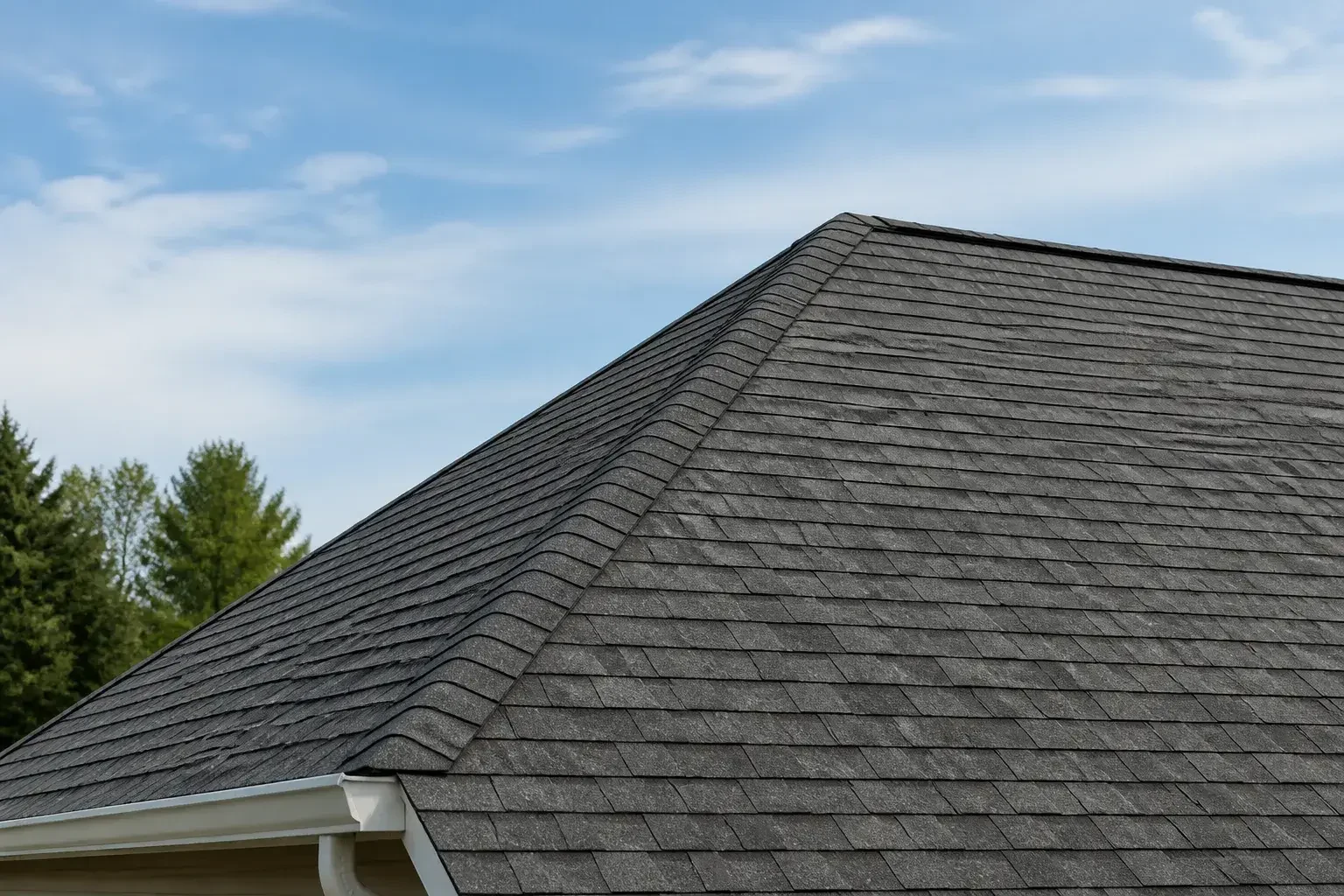
Roofing in Boise, ID
Storm Damage in Boise, ID
Hail, wind, and storm impact can leave your roof exposed and in need of quick attention.
Your roof may look intact from the street, but a storm can leave behind small failures that get worse fast. Missing shingles, dented metal, or granules washing into the gutters are all signs that the roof took a hit and should not be ignored.
If you are seeing water spots, lifted edges, or bits of roofing material in the yard, the next step is simple: schedule a storm damage inspection. Copperline Roofing helps homeowners in Boise and the surrounding Treasure Valley figure out what was damaged, what can be repaired, and when roof replacement makes more sense.
Warning signs
Storm damage is not always dramatic. Sometimes the roof only shows a few subtle symptoms until the next rain finds the weak spots.
- Lifted shingles: Shingles that curl, flap, or sit unevenly may have been loosened by wind.
- Missing pieces: Bare patches, torn tabs, or shingles on the ground point to direct impact or strong gusts.
- Dented flashing or vents: Metal parts can take a hit even when the shingles around them still look okay.
- Granules in gutters: Heavy granule loss can leave the roof surface exposed and shorten its useful life.
- Interior staining: Brown spots on ceilings or walls often mean water has already worked past the outer layer.
- Debris buildup: Branches, bark, and loose material can trap moisture and hide damaged areas.
If you notice more than one of these signs, it is worth having the roof checked before minor damage turns into a larger repair.
---
What storms can do
Storms affect roofs in different ways depending on wind, debris, and the condition of the materials before the weather hit. A roof that looked fine last week may now have weak spots around seams, edges, and roof penetrations.
- Wind uplift
Strong gusts can break the seal on shingles and lift them enough to let water under the surface.
- Impact damage
Flying debris can crack shingles, dent metal, or knock loose protective parts around vents and flashing.
- Water intrusion
Once the outer layer is compromised, water can move into decking, insulation, and interior spaces.
- Hidden edge damage
Valleys, rakes, and transitions often take more abuse than homeowners realize because those areas direct water and wind in a concentrated path.
- Gutter strain
Heavy runoff and debris can clog gutters, which keeps water near the roofline longer than it should.
Copperline Roofing looks for the full pattern of damage, not just the obvious broken pieces, so you understand what needs attention now and what can wait.
---
How we inspect
A proper storm damage visit should answer three questions: what is damaged, how far the damage goes, and what repair path fits the roof.
Roof surface check
We look across the roof for missing shingles, bruised areas, lifted edges, and impact marks that are easy to miss from the ground.
Flashing and trim review
We examine the metal transitions, vent areas, and edge details because storm damage often starts where materials meet.
Gutters and runoff points
We check for dents, debris, and signs that water is not moving correctly away from the roofline.
Interior clues
If homeowners have noticed stains or drips, we factor that into the inspection so the visible symptoms are connected to the roof source.
The goal is a clear picture, not guesswork. When we find a problem, we explain it in plain language so you know what the roof is telling you.
---
Repair or replace
Storm damage does not always mean a full roof replacement. Sometimes a focused repair is the right move. Other times the storm revealed a roof that was already close to the end of its service life, and replacement is the smarter long-term decision.
Roof repair fits when
- Damage is limited: A small section of shingles or flashing may be enough for a targeted repair.
- The roof is otherwise sound: If the underlayment and surrounding materials are still performing, repair can restore protection.
- The problem is recent: Fast attention can keep a small issue from spreading into more layers.
Roof replacement fits when
- Damage is widespread: Large areas of missing or failing shingles can make patching less effective.
- Multiple layers are affected: If the storm has reached decking or repeated repairs have already been made, replacement may be the cleaner fix.
- The roof no longer seals well: When storm damage combines with age, the surface may not recover fully.
Copperline Roofing handles roof replacement, roof repair, and storm damage work, so the recommendation you get is based on what the roof actually needs.
---
Gutter concerns
Gutters matter after a storm because they show where water and debris are moving. If they are bent, clogged, or pulling away from the roofline, runoff can back up and keep water near vulnerable areas.
A few practical signs to watch for:
- Overflowing sections: Water spilling over the side can mean the gutter is blocked or damaged.
- Visible denting: Impact marks may not stop the gutter from working right away, but they often point to a stronger hit elsewhere on the roof.
- Loose connections: Separated seams or sagging runs can affect drainage and increase stress along the fascia.
If you are already dealing with roof storm damage, gutters are worth checking at the same time so the repair plan addresses how water leaves the roof, not just how it lands there.
---
Clean install matters
Storm repairs should leave the roof looking intentional, not pieced together. Clean work matters because the repaired area needs to blend with the surrounding roof and hold up when the next round of weather comes through.
At Copperline Roofing, we focus on a straightforward process and a tidy jobsite. That means replacing damaged materials carefully, keeping the work area organized, and making sure the roof details are set up correctly before we leave.
For homeowners in Boise, that matters because storm damage often shows up in visible places like edges, valleys, and rooflines. A sloppy patch is easy to spot and often easier to fail. A careful repair protects the roof without creating new weak points.
---
After the storm
The hours and days after a storm are when small decisions matter most. A little water intrusion can spread through the roof structure if it is left unaddressed, while a properly handled repair can stop the problem early.
Here is a simple way to move forward:
- Look for visible clues
Check the yard, gutters, and ceiling areas for signs that something changed during the storm.
- Document what you see
Take clear photos of missing shingles, debris, stains, or any bent roof parts so you have a record.
- Schedule an inspection
Have the roof looked at before the next storm or rain event creates more damage.
- Review the findings
Ask what was affected, what needs immediate attention, and whether repair or replacement is the better path.
- Move ahead with the fix
Address the roof, gutters, or both so the house is protected again.
This process is especially helpful when the damage is not obvious from the ground. A roof can have hidden issues that only show up when someone gets a close look.
---
Common questions
How do I know if storm damage is serious?
If you see missing shingles, ceiling stains, or exposed roof layers, the damage should be checked quickly because the roof may no longer be sealing properly.
Can storm damage be hidden?
Yes. Wind and impact can loosen materials without removing them completely, which means the roof may look fine until water starts finding its way in.
Do gutters get damaged in storms too?
Yes. Dents, clogs, and loose runs are common after heavy wind or debris, and those problems can affect how water leaves the roof.
What should I look for from the ground?
Look for shingles on the lawn, uneven roof edges, visible gaps, or any spots where flashing appears bent or out of place.
Is a small roof leak always storm related?
Not always, but a storm can expose a weak area that had already been there, which is why a proper inspection matters.
Can one storm lead to a full roof replacement?
It can if the damage is widespread or if the roof was already near the point where patching no longer makes sense.
---
Service area support
Copperline Roofing serves homeowners across Boise, Meridian, Nampa, Eagle, and Kuna. If your roof took a hit and you want a clear answer about repair, replacement, or gutter concerns, we can take a close look and explain the next step in plain terms.
Storm damage does not improve with time. The sooner you identify the problem, the easier it is to keep the repair contained and protect the rest of the roof.
How We Work
A Simple Roofing Process
Every job starts with a careful look at the roof and a clear conversation about the next step.
- 01
Inspect The Roof
We assess the roof condition and look for visible damage, leaks, and weak points.
- 02
Review The Options
You get a straightforward explanation of what we found and what makes sense next.
- 03
Complete The Work
We finish the job carefully and leave the area clean when the work is done.
FAQ
Common Roofing Questions
If you have a question about your roof or a project in mind, reach out and we will help you sort through it.
How do I know if I need roof repair or replacement?
An inspection is the best way to understand the roof’s condition. We can then explain whether a repair or replacement is the better fit.
What should I do after storm damage?
Have the roof checked as soon as possible so damage does not spread. A careful inspection can show what needs attention.
Can you help with gutters too?
Yes, gutters are part of the service list. Proper drainage helps protect the roofline and the rest of the property.
What happens during a roof inspection?
We look over the roof for visible wear, damage, and signs of trouble. Then we explain what we found in plain language.
Do you work in my area?
Copperline Roofing serves Boise, Meridian, Nampa, Eagle, and Kuna. If you are nearby in the Treasure Valley, ask and we can help.
Start With a Roof Inspection
Tell us what is happening with your roof, and we will help you decide on the right next step.