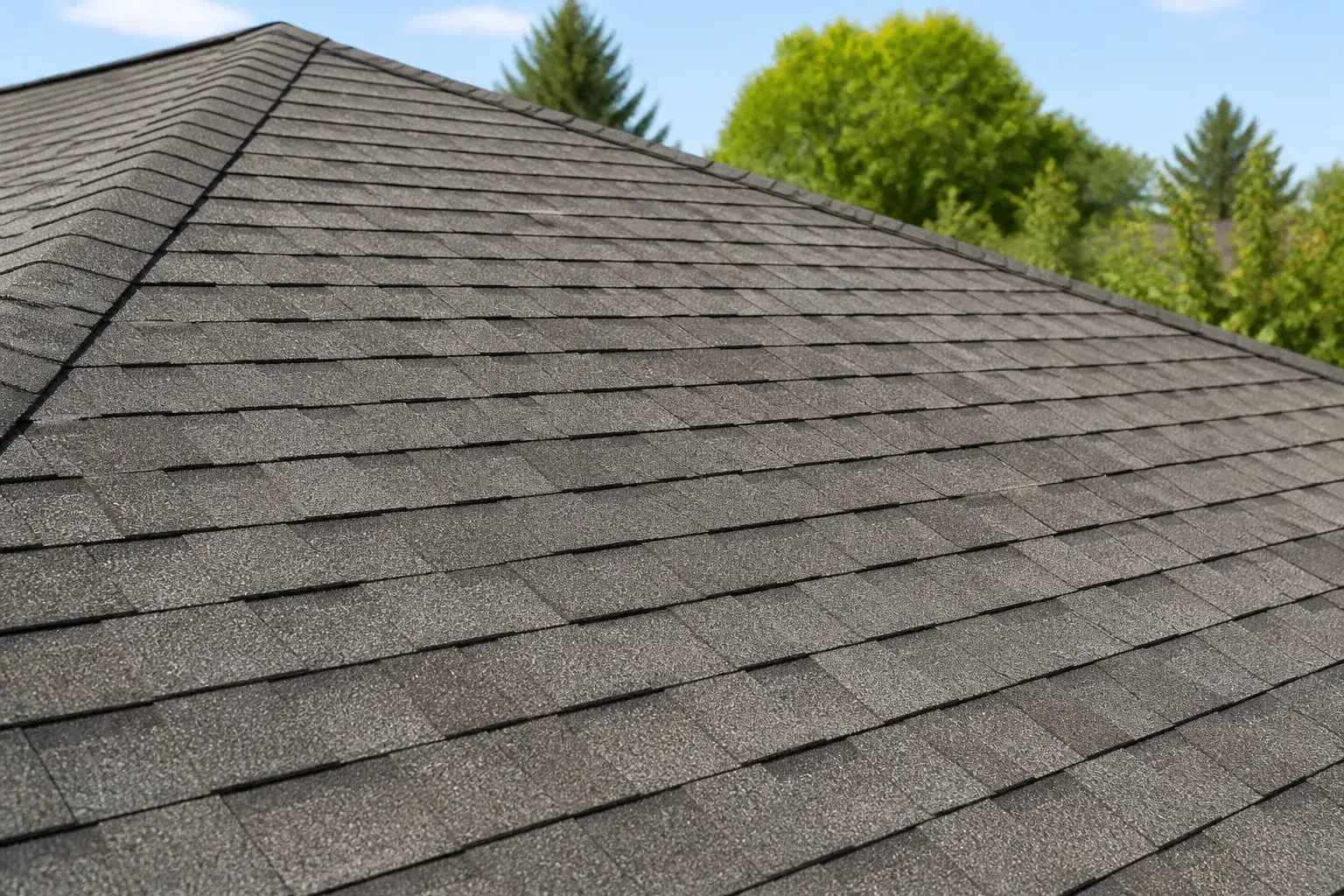
Roofing in Boise, ID
Roof Repair in Boise, ID
Missing shingles, leaks, and wear need prompt repairs before the damage spreads further.
Your roof usually gives a few clues before a small problem turns into a larger one. Maybe you noticed a dark spot on the ceiling, a shingle lifted after a windy day, or granules collecting in the gutter. A leak does not always show up as dripping water right away, and that is part of what makes roof damage so frustrating.
If you are seeing signs like damp attic insulation, curling edges, cracked flashing, or water marks around vents, the next step is to have it looked at by Copperline Roofing. We repair damaged roofing with a focus on honest inspection, clear communication, and a clean finish so the fix does not create another problem down the line.
Warning signs
A roof problem can show itself in the attic, on the ceiling, or right on the shingles. Catching those signs early helps keep the repair smaller and more manageable.
- Ceiling stains: Brown or yellow spots often mean water has already passed through the roof layers and needs attention.
- Lifted shingles: Shingles that sit unevenly or flap in the wind can let water in at the edges.
- Granules in gutters: Excess granules point to wear on the shingle surface and can signal aging or storm-related damage.
- Cracked flashing: Metal around chimneys, walls, and roof penetrations can split or pull back, opening a path for leaks.
- Soft spots: Areas that feel spongy or weak may indicate moisture has reached the roof deck.
If you are seeing one of these issues, it is worth scheduling a repair sooner rather than later. A small opening can spread water into insulation, framing, and interior finishes.
---
Common causes
Roof damage does not always look dramatic from the ground. A few shingles may be missing, or a small seam may have loosened where two surfaces meet. Those smaller failures are often what lead to the stains and drips homeowners notice later.
- Weather wear: Wind can loosen shingles, and heavy rain can expose weak spots that were already starting to fail.
- Aging materials: Roofing materials wear down over time, especially in areas that get repeated sun and moisture exposure.
- Flashing issues: The thin metal around roof transitions can separate, corrode, or lose sealant.
- Impact damage: Falling branches or other impacts can crack shingles or create hidden punctures.
- Poor previous repairs: Patch jobs that did not address the source can leave the same leak returning after the next rain.
Copperline Roofing takes time to find where the water is entering, not just where it appears inside. That matters because the visible stain is often a few feet away from the real opening.
---
How repairs work
A proper roof repair starts with finding the cause and ends with a clean, durable fix. We do not treat every leak the same way because different materials and damage patterns call for different solutions.
Step 1: Inspect the problem
We look over the trouble area, nearby shingles, flashing, and other vulnerable points to identify what failed and what may need to be reset or replaced.
Step 2: Explain the repair
We walk you through what we found and what should be done next. If the damage is limited, a targeted repair may be enough. If we see broader wear, we will say so plainly.
Step 3: Complete the fix
We replace damaged materials, secure loose sections, and address the source of the leak so the repair holds up under normal weather exposure.
Step 4: Clean the area
We keep the work area tidy and remove leftover debris so you are not left with nails, scraps, or roofing material around the property.
That process helps homeowners understand what was wrong, what was done, and what to watch going forward.
---
What we repair
Roof repair is not just about shingles. Water can enter through several weak points, and the right fix depends on where the damage started.
- Missing or damaged shingles: We replace broken or lifted shingles to restore the protective surface.
- Flashing leaks: We repair or reset flashing where roof planes meet walls, vents, chimneys, and other transitions.
- Minor punctures: Small openings caused by impact or wear can often be sealed before they spread.
- Leak sources near penetrations: Areas around pipes, vents, and other roof penetrations often need careful attention.
- Storm-related damage: If weather has loosened materials or exposed bare spots, we repair the affected sections before more water gets in.
A careful repair is about matching the fix to the damage. That helps avoid overdoing the work in one area while missing the real issue in another.
---
Our approach
At Copperline Roofing, we keep the repair process straightforward. Homeowners want a clear answer, a clean jobsite, and a roof that no longer lets water through at the problem area.
We focus on honest inspections and practical repairs. If the damage is isolated, we handle it directly. If the roof has several weak points, we will point those out so you can make an informed decision about next steps. That kind of plain guidance matters when you are trying to protect your home without guessing at the cause of the leak.
We also pay close attention to the finish. A repair should not leave loose materials, messy sealant, or debris behind. The goal is to restore the roof cleanly so the fix blends into the existing surface as much as possible.
Homeowners across Boise, Meridian, Nampa, Eagle, and Kuna call us when they want a repair handled with care and clear communication from start to finish.
---
What to watch after repairs
Even after the repair is done, it helps to keep an eye on a few simple things. That way, you can catch unrelated issues early and know the repaired area is holding up.
- New ceiling marks: If a stain grows or appears again, it may point to a separate leak path.
- Loose shingles nearby: Neighboring sections can age at different rates, especially if they were already weakened.
- Debris in gutters: Shingle wear can show up as granules or roofing bits after wind or rain.
- Drips in the attic: A quick attic check after a storm can reveal moisture before it reaches living spaces.
It is also helpful to keep the area around the repair visible. If branches, leaf buildup, or other debris collect nearby, they can hide future signs of wear.
---
Roof repair vs replacement
Not every roof problem means the whole roof needs to be replaced. In many cases, a targeted repair is the right move when the damage is limited and the rest of the roof is still performing as it should.
- Localized damage: If one section was hit by wind or impact, repairing that area can solve the issue without disturbing the rest of the roof.
- Multiple failing areas: If several spots are leaking or showing wear, the roof may need a broader plan.
- Interior symptoms: Water inside the house can come from a small opening or from larger breakdowns, so the source matters more than the stain alone.
- Material condition: Good surrounding shingles and sound flashing often make repair the sensible option.
If you are unsure which path makes sense, we can help you sort through the damage and decide based on what the roof actually needs.
---
Common questions
How do I know if my roof needs repair?
Look for stains, missing shingles, cracked flashing, or granules in the gutters. If something looks different than the rest of the roof, it is worth having checked.
Can a leak come from a spot away from the stain?
Yes. Water can travel along framing or under roofing layers before it shows up indoors, so the visible stain is not always the true source.
What parts of a roof usually fail first?
Flashing, shingles near edges, and areas around vents or other penetrations often show wear first because they take more exposure.
Do small problems need attention right away?
Yes. Small openings can let in enough moisture to damage insulation, decking, and interior finishes over time.
Is roof repair useful after a storm?
It is, especially when wind or impact has loosened materials, broken shingles, or exposed weak areas that were not obvious before.
What should I do before someone arrives to inspect the roof?
Try to note where you saw the leak, when it happened, and whether you noticed missing shingles or debris. That information can help narrow down the source faster.
Start with a clear answer
If your roof is showing signs of damage, Copperline Roofing can take a look and help you decide on the right repair. We serve homeowners in Boise and nearby Treasure Valley communities with straightforward service, careful workmanship, and a clean finish.
A roof issue is easier to manage when it is handled early. If you have stains, missing shingles, or another sign that something is not right, now is the time to get it checked and repaired before the problem spreads.
How We Work
A Simple Roofing Process
Every job starts with a careful look at the roof and a clear conversation about the next step.
- 01
Inspect The Roof
We assess the roof condition and look for visible damage, leaks, and weak points.
- 02
Review The Options
You get a straightforward explanation of what we found and what makes sense next.
- 03
Complete The Work
We finish the job carefully and leave the area clean when the work is done.
FAQ
Common Roofing Questions
If you have a question about your roof or a project in mind, reach out and we will help you sort through it.
How do I know if I need roof repair or replacement?
An inspection is the best way to understand the roof’s condition. We can then explain whether a repair or replacement is the better fit.
What should I do after storm damage?
Have the roof checked as soon as possible so damage does not spread. A careful inspection can show what needs attention.
Can you help with gutters too?
Yes, gutters are part of the service list. Proper drainage helps protect the roofline and the rest of the property.
What happens during a roof inspection?
We look over the roof for visible wear, damage, and signs of trouble. Then we explain what we found in plain language.
Do you work in my area?
Copperline Roofing serves Boise, Meridian, Nampa, Eagle, and Kuna. If you are nearby in the Treasure Valley, ask and we can help.
Start With a Roof Inspection
Tell us what is happening with your roof, and we will help you decide on the right next step.