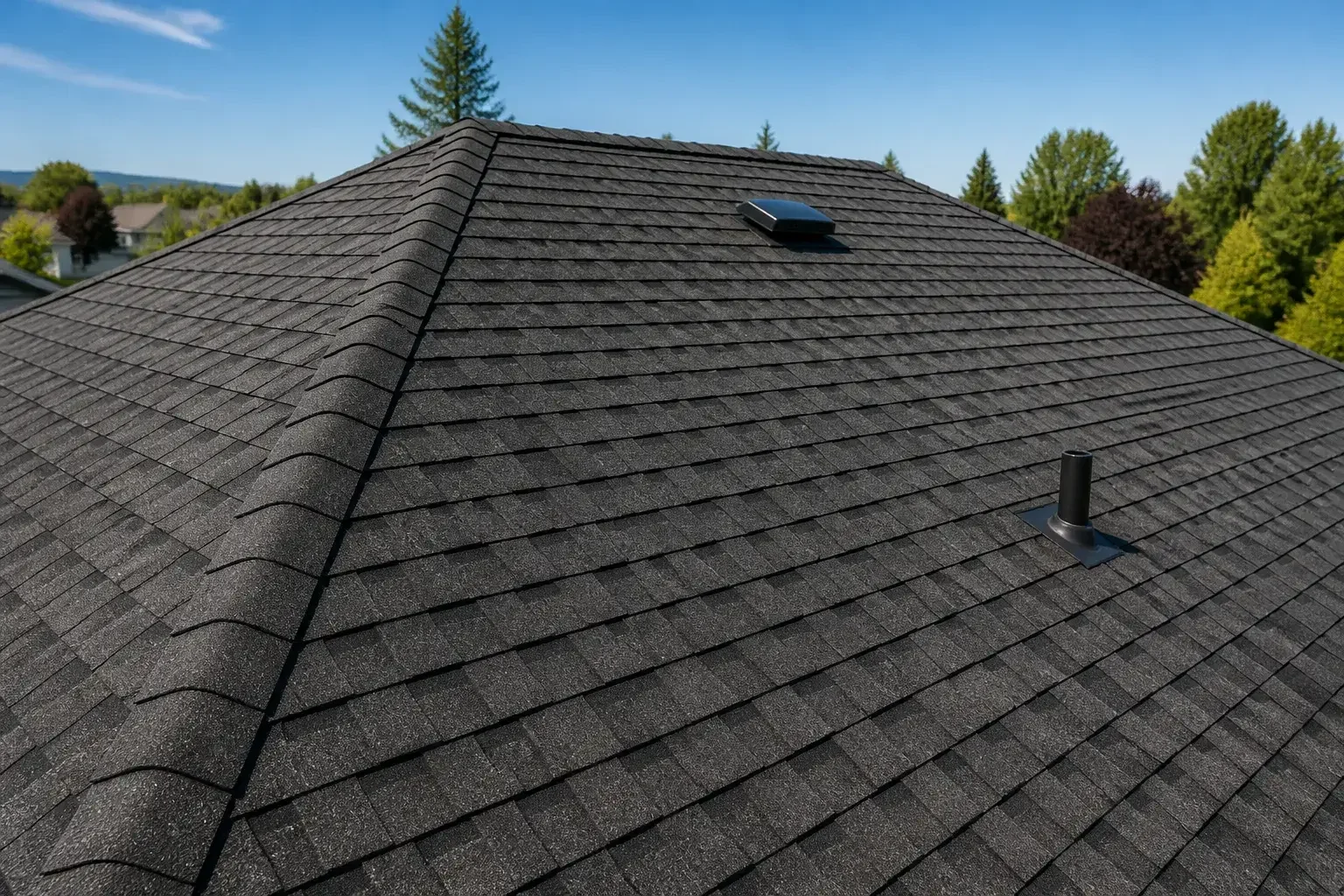
Roofing in Boise, ID
Roof Inspections in Boise, ID
A roof that looks fine from the ground can still hide damage, wear, or leak risks.
If you have noticed a stain on the ceiling, a few shingles out of place, or debris collecting in the gutters, it is time to take a closer look. Small changes on the roof often point to issues that are still manageable, but only if they are checked before the damage spreads.
A roof inspection gives you a clear picture of what is happening overhead without turning a small concern into a bigger project. Copperline Roofing looks for visible wear, storm-related trouble, drainage issues, and signs that a repair or replacement may be the right next step.
Warning signs
A roof does not usually fail all at once. It gives clues first, and those clues are easy to miss from the ground. An inspection is the right move when something looks off, even if the roof still seems to be doing its job.
- Shingle changes: Curling, cracking, missing, or sliding shingles can let water reach the layers below.
- Ceiling stains: Brown spots or rings indoors can indicate a leak that has already made its way through the roof deck.
- Granule loss: Bald-looking shingles or granules in gutters can point to aging materials.
- Loose flashing: Gaps around chimneys, vents, or valleys often allow water intrusion.
- Gutter overflow: If water spills over instead of moving away, the roof edge and fascia can take on extra strain.
Even one of these signs is worth checking. Multiple signs usually mean the roof needs attention soon.
---
What we look for
A roof inspection should do more than confirm that shingles are still in place. It should show where the roof is holding up and where it is starting to fail.
Copperline Roofing checks for the issues homeowners most often miss until they become obvious inside the house:
- Surface wear: We look for curling, blistering, cracking, and thin spots on the roof covering.
- Leak points: We check flashing, penetrations, valleys, and transitions where water tends to enter.
- Drainage trouble: We look at how gutters and roof edges are moving water away from the home.
- Storm marks: We look for lifting, bruising, or other visible signs left behind after wind or hail.
- Structural clues: We check for sagging, soft areas, or uneven sections that may suggest deeper damage.
How the inspection helps
A solid inspection gives you more than a quick opinion. It helps you decide whether the roof needs a repair, whether a larger issue is developing, or whether it is still in good shape for now. That saves time and helps you avoid guessing.
---
Common roof problems
Some roof issues are easy to spot from the ground. Others hide under the surface and show up only after water has already moved through the layers.
- Aging materials: Roof coverings wear down over time, and once they become brittle or thin, they stop shedding water as well.
- Storm impact: Wind can loosen shingles, and hail can leave damage that is not obvious until an inspection points it out.
- Poor drainage: If gutters or roof edges cannot move water properly, moisture can back up and start creating trouble along the edge.
- Flashing failure: Metal around chimneys, skylights, vents, and wall intersections can separate or corrode, opening a direct path for leaks.
- Previous repairs: A patch that looked fine at first may have hidden weak spots that show up later.
These problems do not all require the same fix. That is why an inspection matters before you commit to roof repair or roof replacement.
---
How visits work
We keep the process straightforward so you know what is happening and why. The goal is to inspect the roof carefully and give you useful information, not a confusing pile of terms.
- Initial look: We start by checking the visible condition of the roof from the ground and around the home.
- Close inspection: We examine shingles, flashing, valleys, vents, roof edges, and other places where trouble often starts.
- Problem review: If we find concerns, we explain what they mean and whether they point to a repair or a larger issue.
- Next-step guidance: You get a practical path forward based on what the roof is actually showing, not on guesswork.
When homeowners call Copperline Roofing for a roof inspection in Boise, they usually want one thing: clear answers. That is what we aim to provide.
---
Why timing matters
Waiting too long can turn a small issue into a bigger project. Water rarely stays in one place once it gets under the roof covering. It can move into the decking, insulation, and interior surfaces before the source becomes obvious.
An inspection is especially useful when you are seeing changes but do not yet know how serious they are. Maybe you have spotted a missing shingle, found debris after a storm, or noticed a ceiling spot that seems new. Those are all good reasons to have the roof checked sooner rather than later.
Boise homeowners also benefit from an inspection before making decisions about roof repair or roof replacement. A clear evaluation helps separate surface wear from deeper concerns, which makes it easier to choose the right service.
---
What you gain
A roof inspection should leave you with more confidence, not more questions. The value is in understanding the condition of the roof and what it means for the home.
- Clear condition check: You learn whether the roof is stable, showing early wear, or facing a larger problem.
- Focused recommendations: We point you toward roof repair, replacement, or another needed service only when it makes sense.
- Damage awareness: Hidden trouble can be identified before it grows into interior damage.
- Better planning: You can make decisions based on the roof’s actual condition instead of waiting for a leak to force the issue.
For many homeowners, that clarity is the biggest benefit. It turns a worry into a plan.
---
Inspection after storms
Storms can leave behind more than scattered debris. Wind can lift edges, loosen fasteners, and stress weak spots that were already there. Even if the roof looks fine from the driveway, an inspection can reveal changes that are hard to see from below.
After storm-related wear, we check for:
- Lifted shingles: Shingles that have been loosened may still sit flat at a glance but no longer seal well.
- Impact marks: Dents or bruises can signal damage that affects how the roof sheds water.
- Flashing shifts: Wind can move flashing just enough to create a gap at vulnerable points.
- Gutter issues: Dislodged debris or loose sections can interfere with drainage and make the roof edge more vulnerable.
A storm inspection is not about panic. It is about catching real damage while it is still manageable.
---
Local roofing help
Homeowners across the Treasure Valley often want the same thing from a roof inspection: an honest look, plain language, and no pushy sales pitch. Copperline Roofing is built around that approach.
We inspect roofs for signs of wear, storm damage, and drainage trouble, then explain what the findings mean in everyday terms. If the roof needs a repair, we can talk through that. If it looks like replacement is becoming the wiser choice, we can explain why. And if the roof is still in good shape, you will know that too.
That kind of clarity matters whether your home is in Boise, Meridian, Nampa, Eagle, or Kuna. A roof should not be a mystery, and an inspection is often the fastest way to get answers.
---
Common questions
How often should I have my roof inspected?
A roof should be checked whenever something changes, such as after visible storm activity or when you notice signs of wear. It is also smart to schedule an inspection if you are planning ahead for repairs or replacement.
What if I do not see a leak?
You do not need an active leak to justify an inspection. Many roofing problems start small and stay hidden until water has already done damage inside the structure.
Can an inspection help me decide between repair and replacement?
Yes. An inspection can show whether damage is isolated or spread across larger sections of the roof, which helps point you toward the right service.
Should I inspect a roof that looks fine from the ground?
Yes. Some issues are not visible from the street, especially around flashing, valleys, and roof edges where leaks often begin.
What if I only notice gutter problems?
That is still worth checking. Gutters and roofing work together, and poor drainage can contribute to wear along the roof edge and fascia.
Do inspections help after storm damage?
Yes. A storm inspection can identify lifted shingles, impact marks, and other changes that may not be obvious without a close look.
If your roof is sending signals, do not wait for the problem to become obvious inside the house. Copperline Roofing can inspect the roof, explain what we find, and help you take the next step with confidence.
How We Work
A Simple Roofing Process
Every job starts with a careful look at the roof and a clear conversation about the next step.
- 01
Inspect The Roof
We assess the roof condition and look for visible damage, leaks, and weak points.
- 02
Review The Options
You get a straightforward explanation of what we found and what makes sense next.
- 03
Complete The Work
We finish the job carefully and leave the area clean when the work is done.
FAQ
Common Roofing Questions
If you have a question about your roof or a project in mind, reach out and we will help you sort through it.
How do I know if I need roof repair or replacement?
An inspection is the best way to understand the roof’s condition. We can then explain whether a repair or replacement is the better fit.
What should I do after storm damage?
Have the roof checked as soon as possible so damage does not spread. A careful inspection can show what needs attention.
Can you help with gutters too?
Yes, gutters are part of the service list. Proper drainage helps protect the roofline and the rest of the property.
What happens during a roof inspection?
We look over the roof for visible wear, damage, and signs of trouble. Then we explain what we found in plain language.
Do you work in my area?
Copperline Roofing serves Boise, Meridian, Nampa, Eagle, and Kuna. If you are nearby in the Treasure Valley, ask and we can help.
Start With a Roof Inspection
Tell us what is happening with your roof, and we will help you decide on the right next step.